AI-Led Product Engineering for High-Growth Industries
We build products that scale
PedalsUp partners with founders, product teams, and ambitious businesses to design, build, and launch high-performance digital products. From custom software and AI systems to web and mobile platforms, we help you move faster, reduce complexity, and create long-term competitive advantage.
Beyond Development,
We Build What Moves Businesses Forward
The right technology partner does more than ship tickets. We help you shape the product, solve the hard technical decisions, and build software that supports growth, efficiency, and market leadership.
Fintech Product Engineering
Fintech Platforms Built for Trust, Speed, and Scale
We design and develop fintech products that simplify transactions, improve customer experience, and support secure, scalable operations. From dashboards and customer apps to internal platforms and automation layers, we build systems that are ready for real business use.
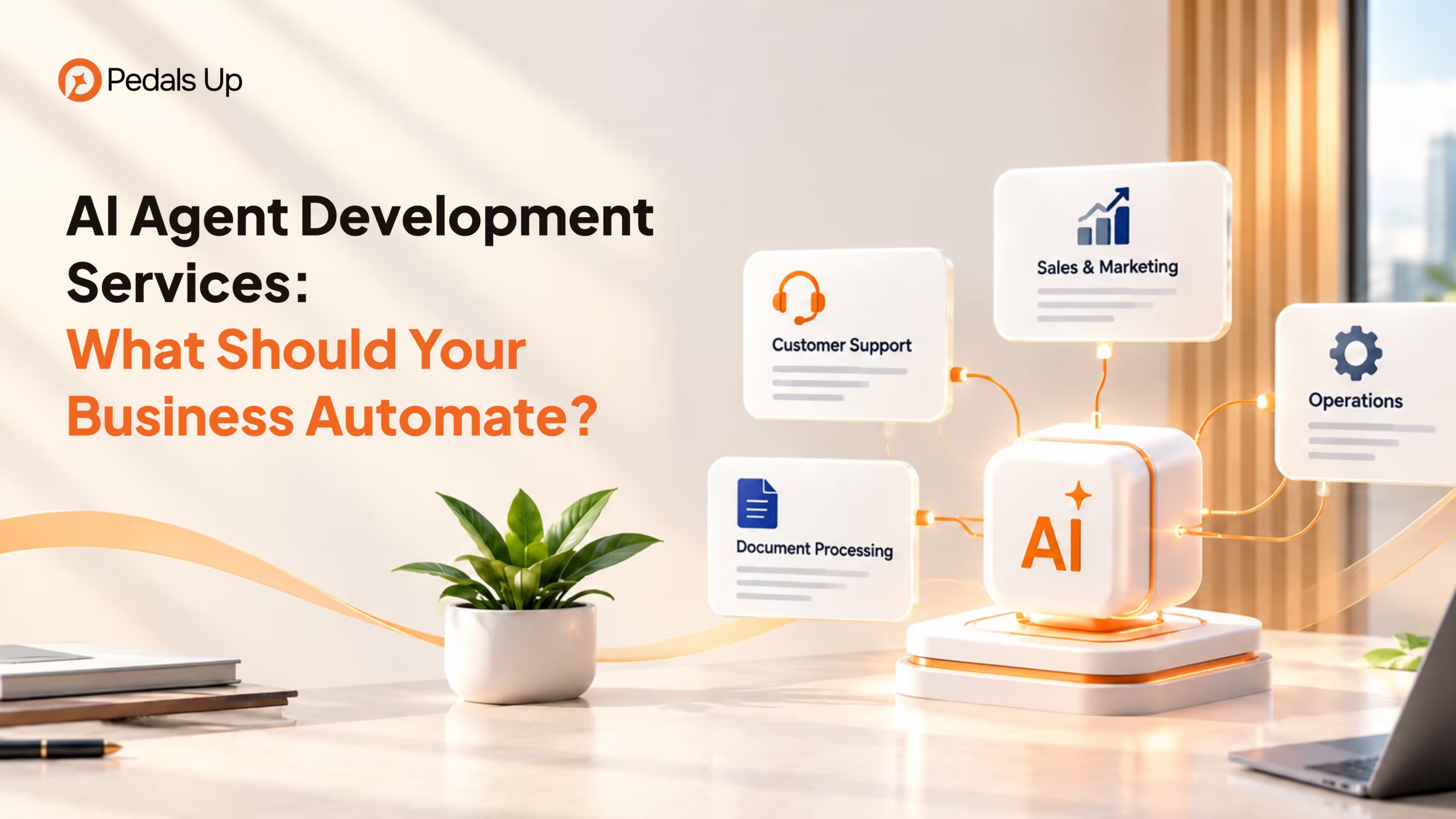
We help businesses move from AI curiosity to AI execution. Whether you need workflow automation, AI copilots, internal knowledge systems, or task-performing agents, we build practical AI products that improve speed, accuracy, and output.
Digital Products for Modern Real Estate Businesses
We build real estate platforms, property marketplaces, CRMs, investor dashboards, and internal tools that streamline operations and create better buyer, seller, and tenant experiences.
Engineering for Complex, Technical, High-Stakes Products
For deeptech teams, the challenge is not just shipping software. It is translating complex technical value into products people can use, adopt, and scale. We help bridge that gap with thoughtful design, strong engineering, and product clarity.
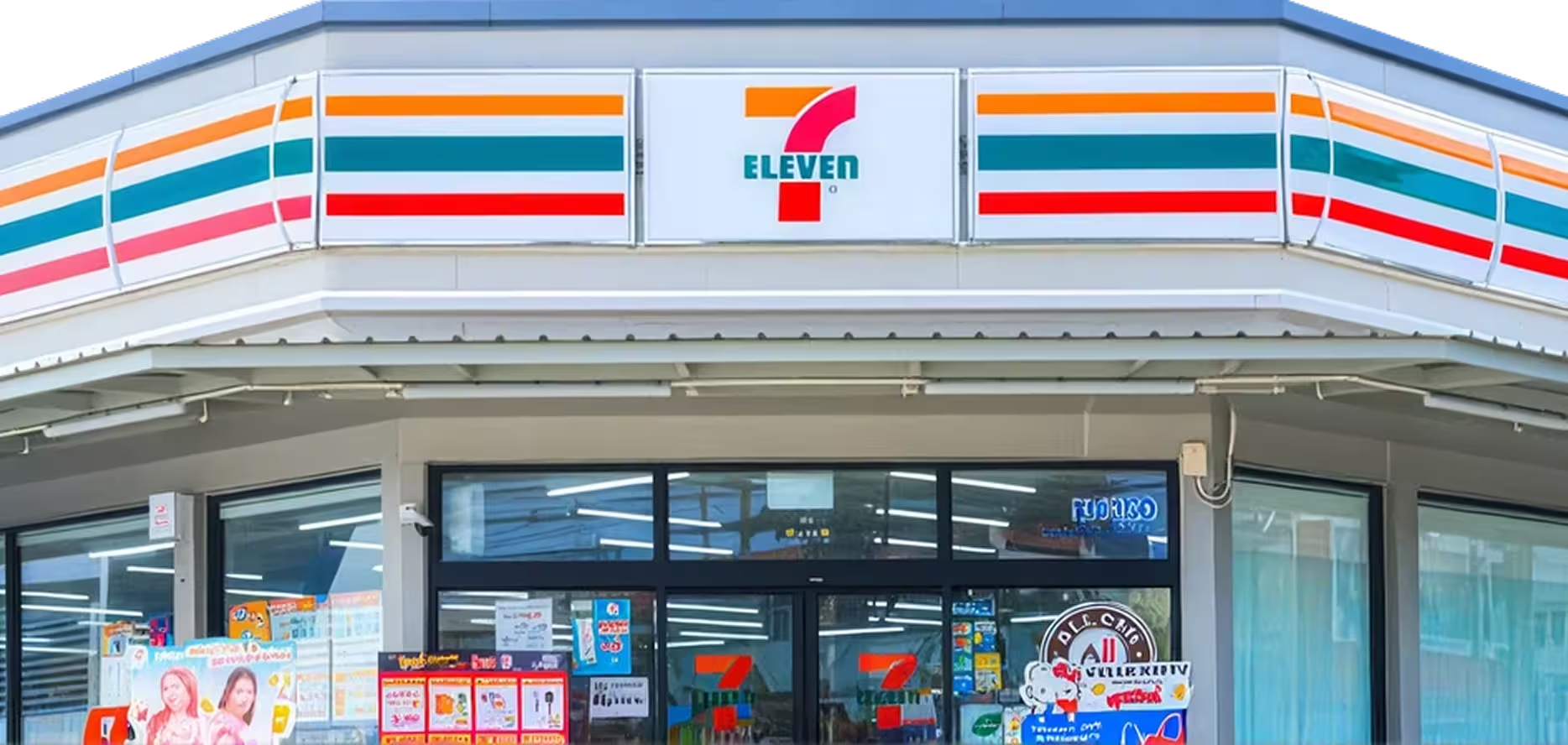
Built an omnichannel commerce platform and companion app to connect digital and in-store experiences in one smoother customer journey.
7+ Stores enabled through the solution
Real-time inventory and promotional visibility
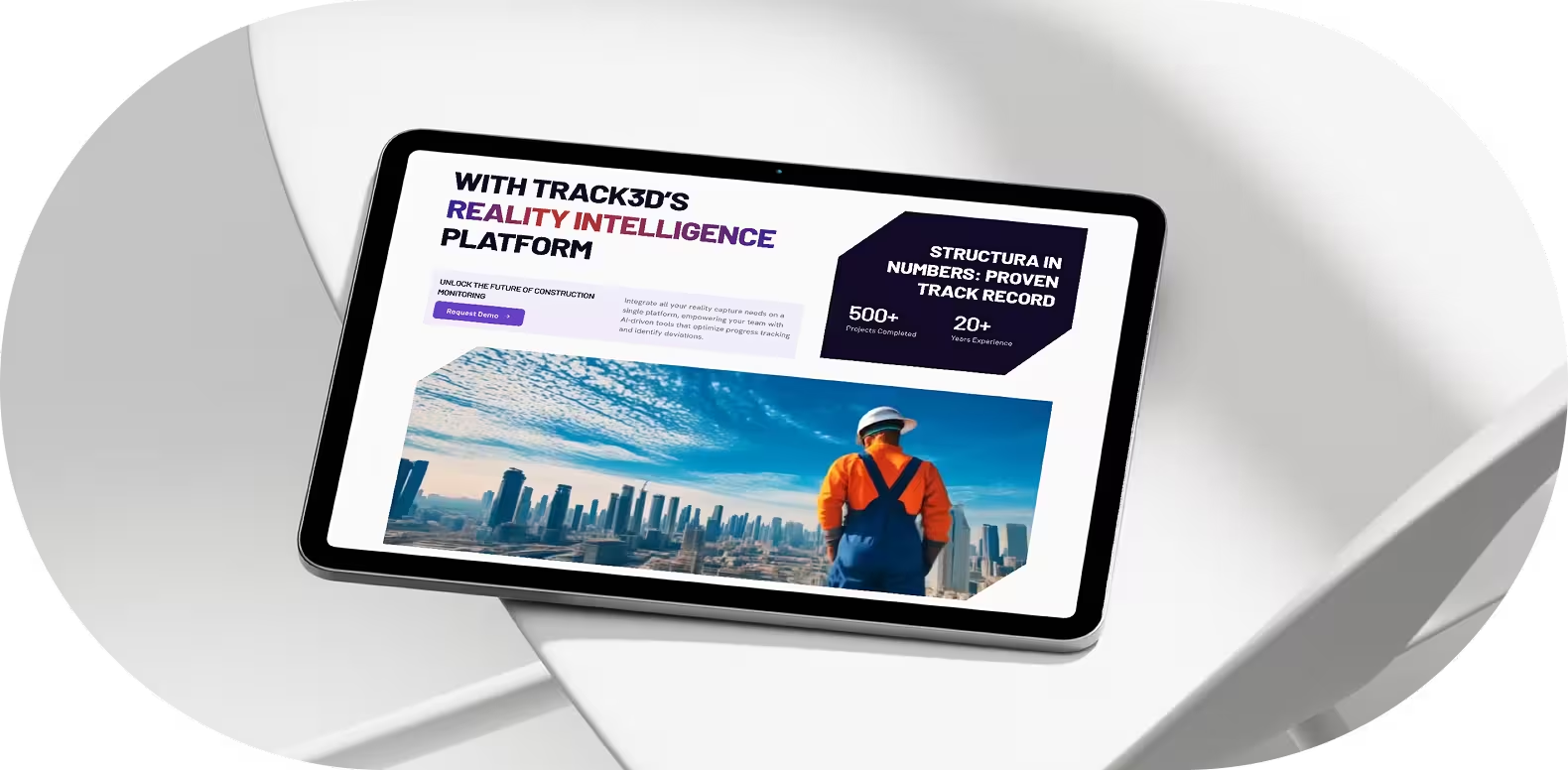
TRACK 3D
Created a clarity-first website experience that made a technical construction-monitoring product easier to understand, navigate, and trust.
10-15% process optimized through Solution
80% more time efficient
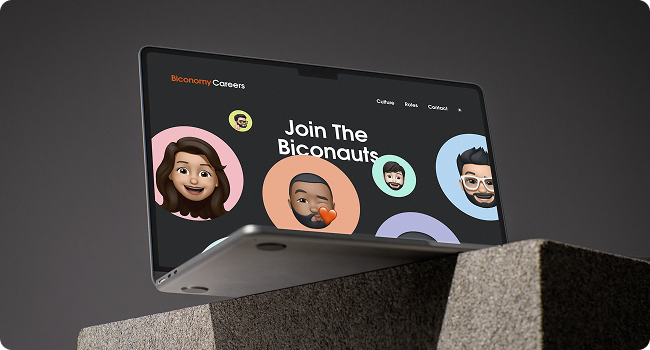
BICONOMY CAREERS
Delivered a focused digital experience for a web3 brand, reinforcing our experience in complex and emerging technology categories.
Careers platform on React
Clear job + company architecture
GENSIGMA
Built the brand identity, logo, and responsive digital presence for an AI automation platform focused on agentic systems.
25-30% Improvement on Results
95% more time efficient
It’s your time to grow
Choosing the Right Technology Partner Is Hard. The Difference Shows Up in Delivery.
Anyone can promise speed, quality, and innovation. What matters is how a team performs when the product gets complex, priorities shift, and decisions carry business risk. PedalsUp brings senior thinking, execution discipline, and product ownership to every build.
We don’t just add development capacity. We help you make better product decisions and turn them into working software.
Choosing the right software partner is hard. Everyone promises delivery.
The difference shows up when decisions get difficult and deadlines get real.
Put AI to Work.
Where it Matters.
AI should improve how your business operates, not create more noise. We help teams identify high-value use cases, move quickly into implementation, and deploy AI solutions that support real workflows.
AI Quick Start
Launch focused AI experiments fast with clear use-case selection, practical prototypes, and a fast path to business validation.
From strategy to shipping, we keep the process clear, collaborative, and outcome-focused.
Step 1
Discover
We start by understanding your business model, users, goals, bottlenecks, and technical reality so we can define the right problem before we build.
Step 2
Define
We shape the product direction, scope priorities, user flows, architecture thinking, and delivery plan to reduce ambiguity and avoid expensive rework.
Step 3
Design & Build
Our team designs the experience, develops the platform, and iterates fast with clear communication and accountable delivery.
Step 4
Launch & Improve
After launch, we help refine performance, improve usability, add features, and support long-term product growth.
Delivering Services Across
High-Growth Sectors
E-Commerce
We work best in industries where product quality, trust, and speed matter — especially where the technology is complex and the stakes are high.
03+
Countries
Delivering for clients across three countries and counting.
100+
Clients
100+ businesses have trusted us with their build.
08+
Years of Shipping
Eight years of shipping software that works.
3000+
Solutions
3,000+ solutions shipped, from prototypes to production platforms.
Magical words from our clients
Discover what industry leaders have to say about their disruptive and transformative experiences with our service suite.
“PedalsUp delivered a top-notch website ahead of schedule. Their incredible responsiveness and support made the entire process a breeze. We’re thrilled with the results!”
Tom Warias
Strategy & Operations Lead, Tapout App
“PedalsUp perfectly captured Shopsense’s unique brand with a custom website. Their personalized service and quick problem-solving made the entire process smooth. We’re thrilled with the result!”
Pritam Jamsandekar
Program Manager, Shopsense Retail Technologies Ltd. (Fynd)
“PedalsUp’s energetic and communicative approach made our e-commerce website development a breeze. They set realistic deadlines and met them consistently, leveraging various communication channels to ensure we were always in the loop. Their dedication resulted in a fully functional website that exceeded our expectations.”
Jaivardhan Singh Channey
Founder, Studio Mesmer
“We were impressed with PedalsUp’s constant support and innovative ideas throughout our branding project. Their 24-hour turnaround on feedback ensured a smooth process, and their creative solutions led to a significant increase in brand awareness.”
Shreya Seerehalli
Brand Strategist, Kamet Single Malt Whisky
“PedalsUp delivered a top-notch website ahead of schedule. Their incredible responsiveness and support made the entire process a breeze. We’re thrilled with the results!”
Jim O'Neil
Financial Advisor, CEO Financial Services
“Discreet is grateful for PedalsUp’s flexibility and clear communication. Their team is always responsive and easy to reach, keeping our app development on track. We appreciate their meticulous attention to detail and look forward to a successful launch.”
Vidhi Kankaria
Founder, Discreit
“Indulge India is thrilled with the 25% increase in website traffic since partnering with PedalsUp. Their quick service and efficient team delivered the project on time and within budget. We were particularly impressed by their professionalism and clear communication throughout the process.”
Gagan Sharma
Director @ Indulge India
Question you might have,
Answers we definitely got
What does PedalsUp do?
PedalsUp is a product engineering company that designs and develops custom software, AI solutions, web platforms, mobile apps, and digital products for growth-focused businesses.
Which industries does PedalsUp specialize in?
Our current strategic focus is fintech, artificial intelligence, real estate, and deeptech, while drawing on years of experience across SaaS, mobile, eCommerce, and website development.
Do you work with startups or established businesses?
We work with startups, scaleups, and established businesses that need a strong product partner to design, build, improve, or modernise digital products.
Can you help with AI even if we are just getting started?
Yes. We support businesses at different stages, from AI opportunity mapping and quick-start pilots to full implementation, workflow automation, and AI agent deployment.
Do you only build new products?
No. We can help with new products, existing platforms, redesigns, feature expansion, product modernisation, and operational improvements.
Do you work internationally?
Yes. Our positioning and delivery model are built to support businesses targeting global markets, including UAE, UK, USA, and Australia.
What makes PedalsUp different from a typical development agency?
We combine product thinking, design clarity, engineering execution, and practical AI capability — with a focus on ownership, communication, and business outcomes rather than task-only delivery.
How do we start?
The best way to begin is with a conversation. We’ll understand what you’re building, what is slowing you down, and what the smartest next step looks like.
Explore practical ideas, product lessons, and technology insights across AI, fintech, digital product strategy, software development, and high-growth business execution.
Tell us what you’re building, where the friction is, or what opportunity you want to move on. Whether you need an AI pilot, a product redesign, a custom platform, or a long-term engineering partner, we’ll help you define the right next step.