DeFi Development, Scoped to the Protocol Mechanics You're Actually Running
A staking protocol, a lending market, and an AMM each carry different economic risk. We scope the protocol design and audit process around what you’re actually running, not a generic DeFi template.
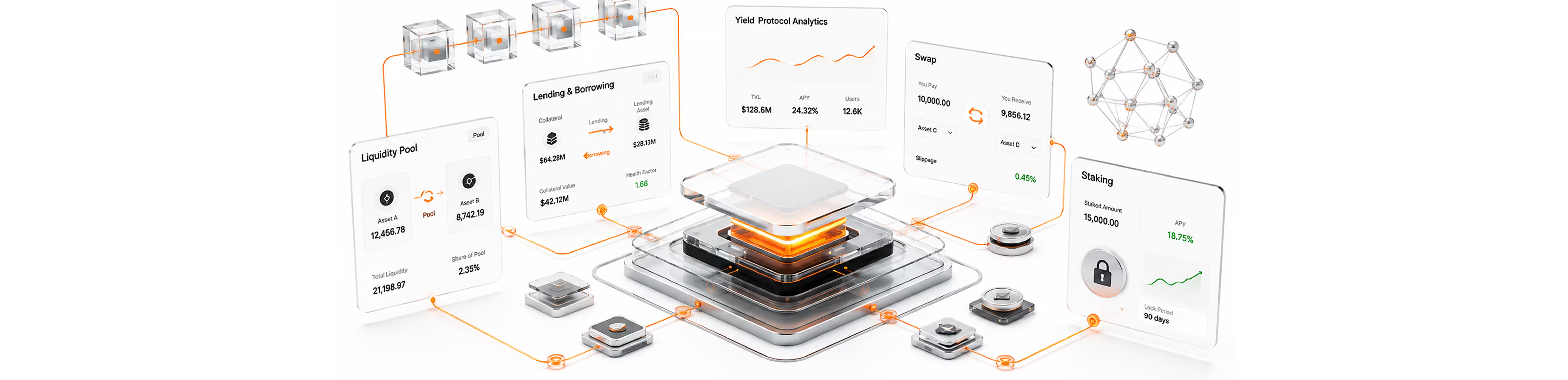
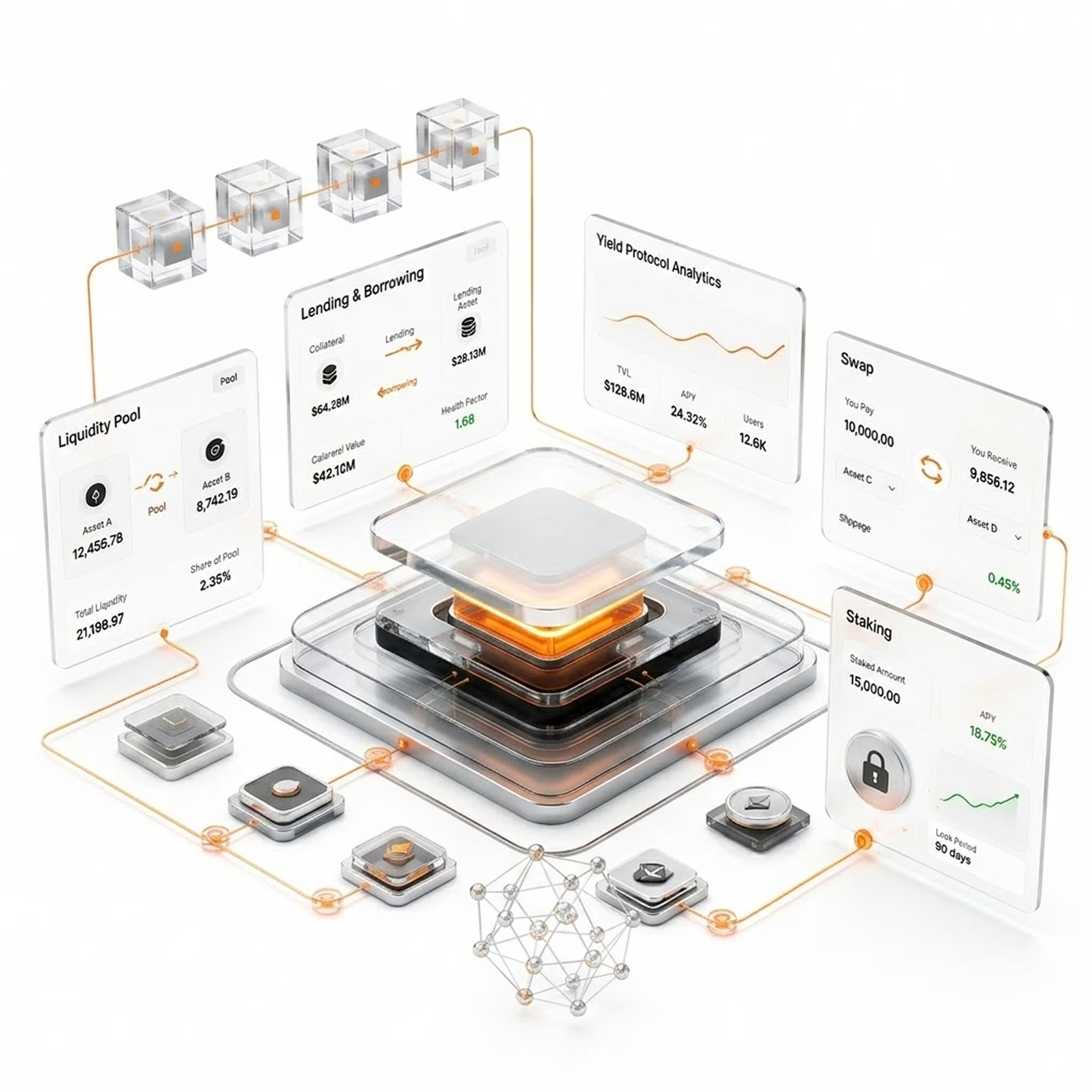
Staking contracts and reward logic built around your actual token economics, whether that’s fixed-term staking, liquid staking, or reward tiers.
Fixed-term and liquid staking mechanics
Reward calculation and distribution logic
Unstaking and withdrawal flows built for real usage
Lending and Borrowing Protocols
Lending markets with collateralization, liquidation, and interest rate logic modeled and stress-tested before a single deposit goes live.
Collateralization and liquidation logic
Interest rate model design
Risk parameter modeling before launch
AMM and DEX Development
Automated market maker and exchange logic built around the liquidity and pricing mechanics your protocol actually needs.
Liquidity pool and pricing logic
Swap and slippage mechanics
Fee structure and distribution design
Tokenomics and Incentive Design
The economic modeling that happens before contract code: token supply, incentive structures, and how the system behaves under real market conditions.
Token supply and distribution modeling
Incentive and reward structure design
Stress-testing against adversarial usage
Launchpad and Fundraising Infrastructure
Token launch and fundraising mechanics, including staking rewards and participation logic for early-stage raises.
Launch and allocation mechanics
Staking-linked participation logic
Vesting and distribution schedules
DeFi Protocol Security and Auditing
Every protocol goes through internal review first, then an independent third-party audit, with economic assumptions tested alongside the code.
Internal review of code and economic logic
Independent third-party audit before launch
Testing focused on economic exploits, not just function
Most DeFi builds treat the smart contract as the product and the economics as an assumption. We treat the economic model as something that has to survive contact with real, adversarial usage: how the system behaves when someone tries to drain a pool, manipulate a reward calculation, or exploit a liquidation. Those questions get modeled before a single contract ships, not discovered the first time real deposits are on the line.
DeFi Protocols We Have Built
Select a category to filter by protocol type.
Staking Protocols
Fixed-term and liquid staking mechanics where reward calculation and withdrawal logic need to hold up under real, continuous usage.
Lending and Borrowing Protocols
Collateralized lending markets where interest rate models and liquidation logic carry direct financial risk if the assumptions are wrong.
Decentralized Exchanges
AMM and swap infrastructure where pricing and liquidity mechanics need to behave correctly under volatile market conditions.
Launchpad and Fundraising Protocols
Token launch and fundraising infrastructure combining staking, vesting, and allocation logic for early-stage raises.
The Technology Behind Every High-Performing DeFi Protocol
The chain and tooling choices come from what your protocol’s economics actually need, not a default stack. Here’s what’s confirmed so far.
Protocol Logic
Solidity for staking, lending, and AMM logic, with the underlying economic assumptions modeled and reviewed alongside the code itself.
Technology 1
Technology 2
Technology 3
Technology 4
Chain Selection
We're not locked into one chain by default. Deployment target, whether that's Ethereum mainnet, an L2, or an alt-L1, gets decided based on liquidity and ecosystem fit for your protocol.
Technology 1
Technology 2
Technology 3
Technology 4
Security and Economic Auditing
Every protocol goes through internal review first, then an independent third-party audit, with testing that covers economic exploits alongside standard function testing.
Six Steps, One Trusted Product Partner
Six stages from first call to mainnet, with a checkpoint before each one starts.
We start by understanding the token economics, the assets at stake, and how the protocol is meant to behave under real usage, before scoping a single contract. Discovery ends with a defined scope and a fixed-price proposal.
02
Architecture
Modeling Protocol Economics and Chain Selection
We map the economic model, chain selection, and how the system behaves under adversarial conditions, before writing a line of Solidity.
03
Design
Interfaces for Staking, Lending, and Swapping
We design the deposit, withdrawal, and transaction flows around how real users interact with the protocol, not how a whitepaper describes it.
04
Build
Agile Sprints With Testnet Deployments
Our engineering team builds in sprints, deploying to testnet regularly so you can verify protocol behavior before it ever touches mainnet.
05
Audit and Security Review
Testing Economic Assumptions, Not Just Functionality
We run security review and testing focused on economic exploits and edge cases, the kind of failure a functional test won’t catch, before recommending mainnet deployment.
06
Launch
Mainnet Deployment, Monitored
We manage mainnet deployment, monitor on-chain activity and protocol health after launch, and stay on to respond to what real usage surfaces.
Why Businesses Choose Pedals Up, Again and Again
Six things that hold on every protocol we ship, from testnet to mainnet.
Stress-Tested Before Mainnet
We model and test for how the protocol behaves under volatile markets and real deposits, not how it performs in a demo.
Senior Team
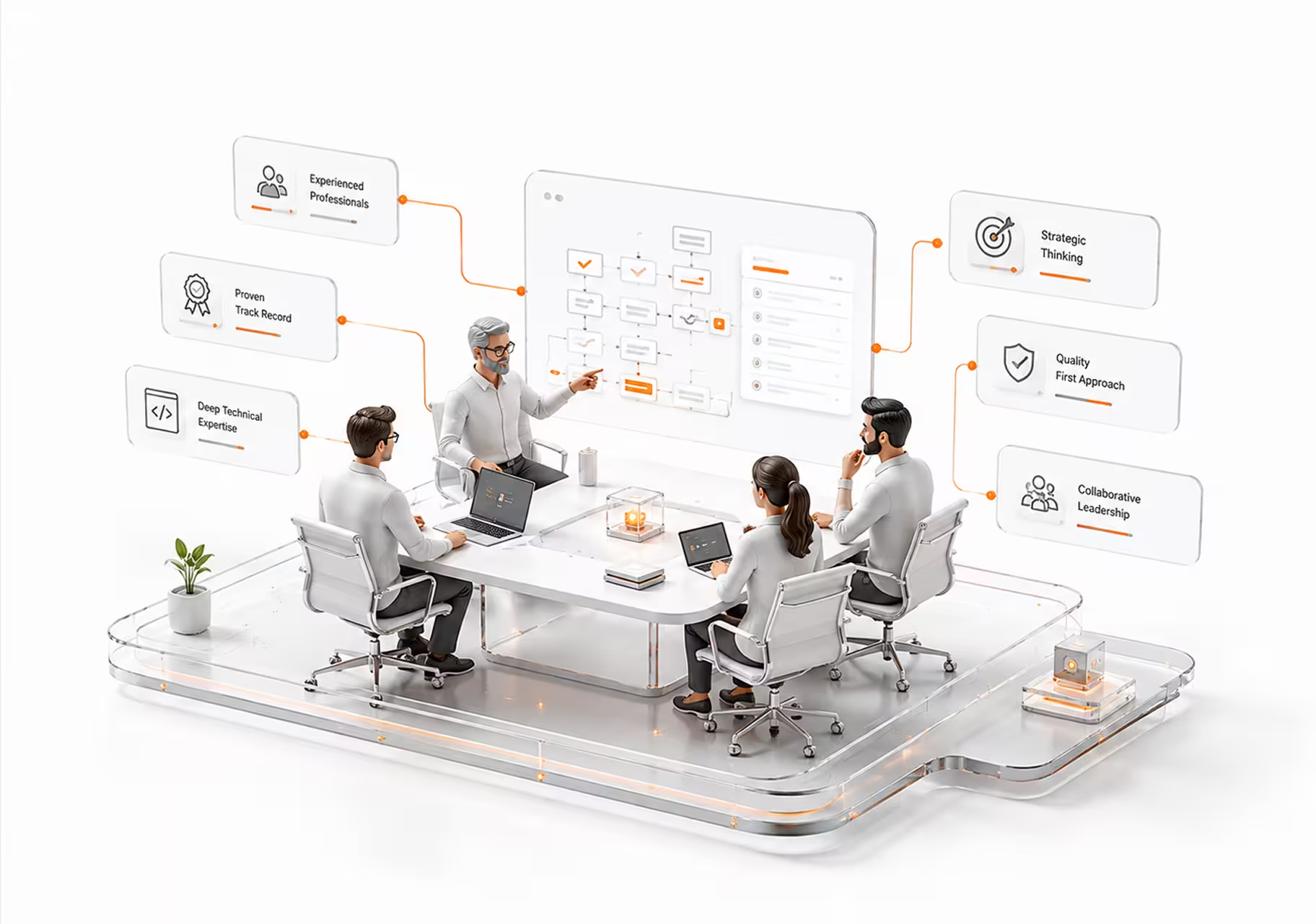
The person who scopes your protocol stays accountable for it through mainnet deployment. Not handed off to whoever’s free that week.
Fixed Pricing
Scope and price agreed before work starts. No markup for economic modeling or audit findings discovered during review.
Weekly Demos
Every week ships a testnet deployment you can deposit into and test, not a status update describing progress.
Built to Scale
Built on architecture that extends as your TVL grows, not rebuilt from scratch the moment deposits outpace the original design.
Launch Support
We stay on after mainnet deployment. Real capital and real market conditions find what a testnet never does, and we’re there for it.
The work, with the outcomes
QuickSilver
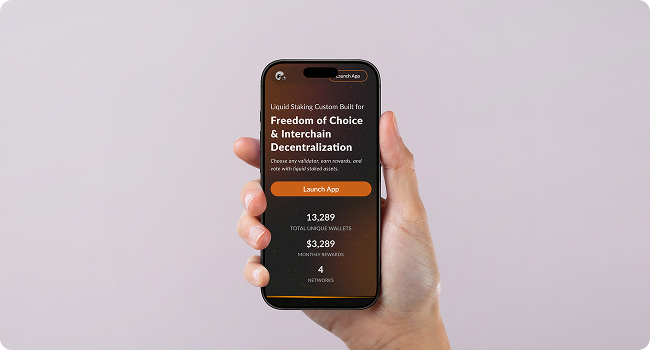
A liquid staking protocol built for the Cosmos ecosystem, letting users stake assets while keeping liquidity through receipt tokens they can still use across other DeFi activity.
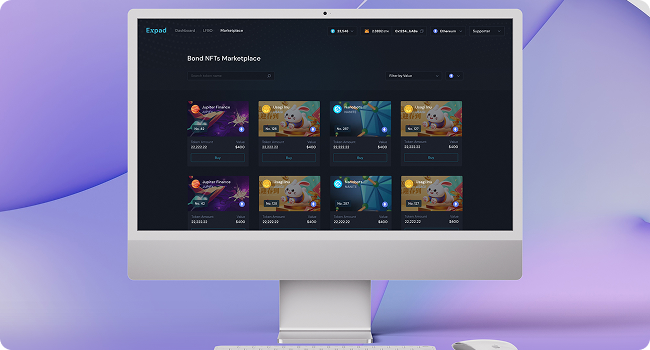
A decentralized fundraising platform combining launchpad infrastructure, staking rewards, and NFT-based participation into one system for early-stage Web3 projects raising capital.
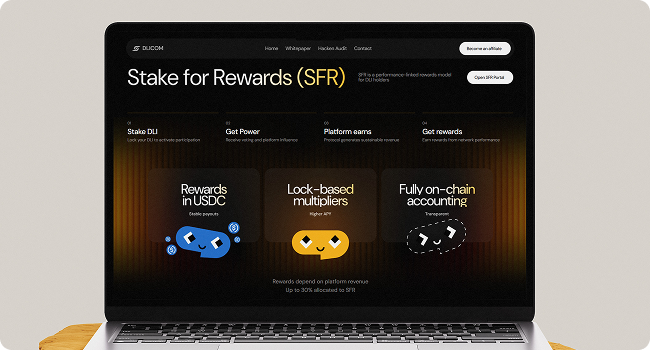
A token staking web application for the DLI token, letting users lock tokens for a fixed period in exchange for APR-based rewards, with an end-to-end flow for staking, unstaking, and tracking returns through a connected crypto wallet.
Question you might have,
Answers we definitely got
Which blockchains do you build DeFi protocols on?
We’re not tied to one chain. Chain selection comes from your protocol’s liquidity and ecosystem needs, and we confirm it with you during scoping rather than defaulting to whatever we last worked with.
Do you review the economics, or just the code?
Both. Code gets reviewed internally and then independently audited, and the economic assumptions behind staking, lending, or swap logic get modeled and stress-tested alongside it. A protocol can be bug-free and still fail if the economics are wrong.
Can you build on top of an existing protocol we already have live?
Yes. We can extend an existing protocol, add new mechanics to it, or review its current economics and security posture before you build further on top of it.
How long does a typical DeFi build take?
Timeline depends on protocol complexity, audit scope, and whether it’s a new protocol or an extension of an existing one. We confirm an exact timeline on the scoping call, before you commit to anything.
What happens after launch if usage spikes or something breaks?
The first 30 days after mainnet launch are included at no extra cost, covering issues that surface under real usage. After that, ongoing support and monitoring are available as a separate engagement if you want us to stay on.
It's your time to grow
Build a DeFi Protocol With the Economics Checked Before Mainnet
Whether you’re launching a new protocol or reviewing one already live, we can scope your project on a single call.