Table of contents
The Actual Bottleneck: Why Buyers Leave Carts
Did you know that 69.82% of online shopping carts are left abandoned? (Source: Baymard Institute). That’s a tremendous amount of lost revenue, often resulting from a cumbersome checkout experience. Long forms, restricted payment methods, and poorly integrated APIs all create friction that drives customers away. For e-commerce merchants looking for high conversions, optimizing checkout flows isn’t an option; it’s a necessity.
In this guide, we’ll break down exactly how e-commerce API integration can streamline checkout flows and share actionable insights, backed by real-world data and a case study from our work at Pedals Up.
Why Checkout Flow Optimization Matters in E-Commerce
A microniche SaaS product addresses a very specific set of customers with a laser-specific solution. It is the opposite of “build for everyone.” Rather, it carefully solves one stinging, high-priority issue for a small but extremely valuable set of users.
Why Microniche SaaS Products Win:
- Increased User Acquisition Efficiency: Targeted marketing to leads creates higher-intent users.
- Lower Churn: Strong product-market fit means amazing retention.
- Cost-Effective Development & Marketing: Streamlined focus minimizes overhead.
- Perfect for B2B & Vertical SaaS: Strong in niche, industry-specific use cases.
What is Checkout API Integration?
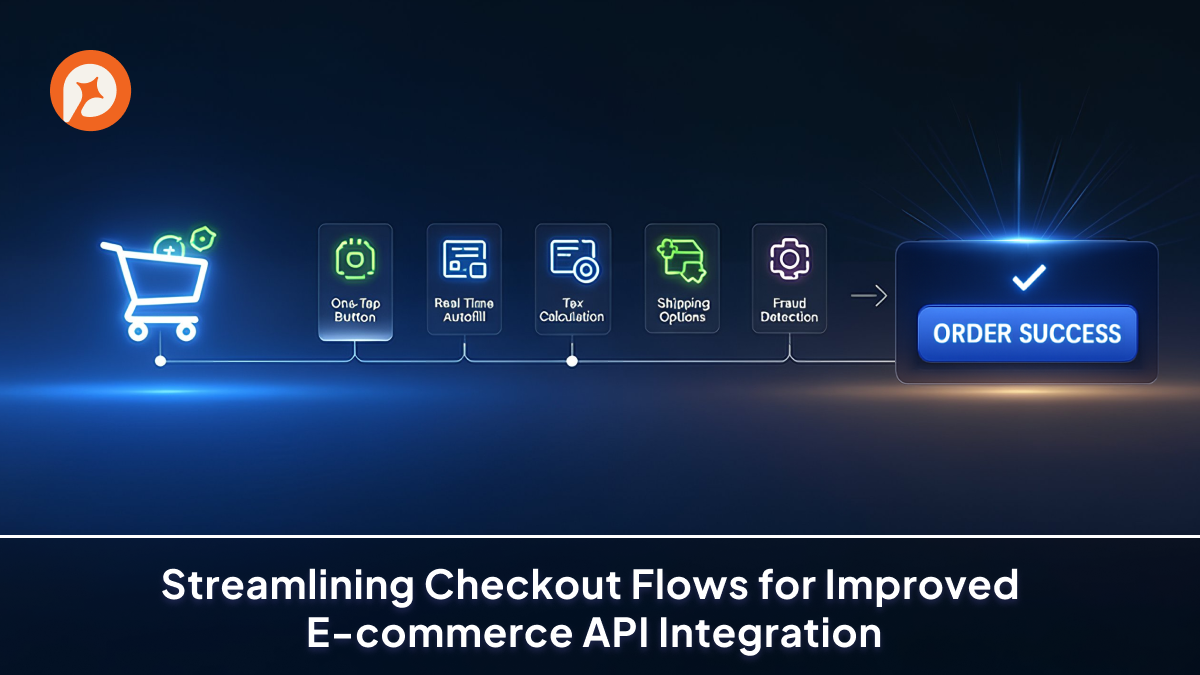
Checkout API integration is connecting your e-commerce backend with third-party services (such as payment gateways, shipping calculators, tax calculators, and wallet providers) to automate, speed up, and customize the checkout process.
Core APIs in Checkout Flows:
- Payment Gateways (Stripe, Razorpay, PayPal)
- Shipping & Logistics (Shiprocket, EasyPost)
- Tax Calculations (Avalara, TaxJar)
- Address Autocomplete (Google Places API)
- Fraud Prevention (Signifyd, Sift)
- Buy Now Pay Later (BNPL) (Affirm, Klarna)
Real-World Example: How Amazon Sets the Standard
Amazon’s “1-Click Checkout” is a classic example of hyper-optimized checkout UX driven by deeply integrated APIs—from saved payment options to real-time shipping estimates. It’s one of the reasons why Amazon Prime members convert at 74% versus 13% for normal e-commerce websites.
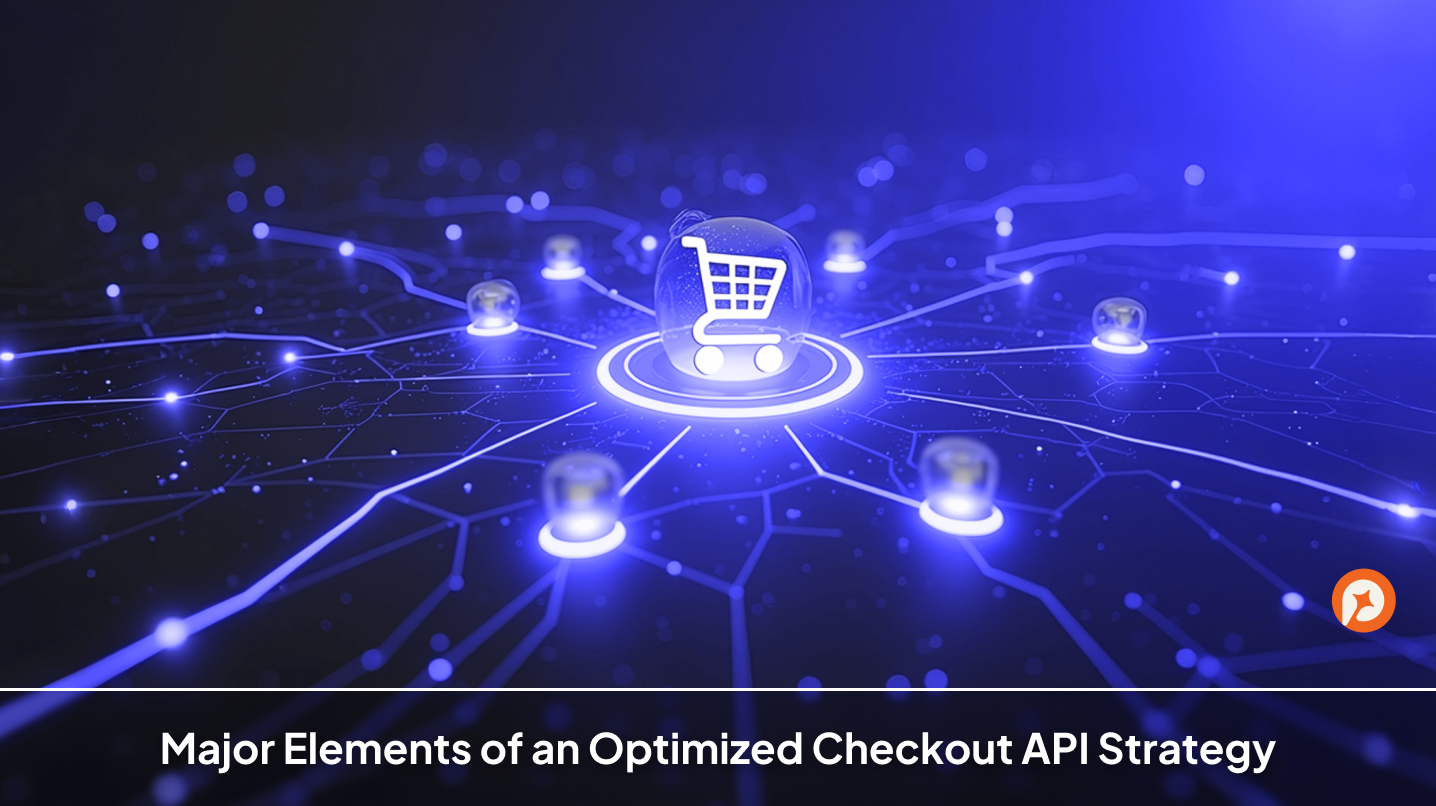
Major Elements of an Optimized Checkout API Strategy
- Guest Checkout Simplified (No Account Registration Required)
– Implement session-based data saving
– Provide social login through API (Google, Facebook) - Real-Time Payment Gateway Integration
– Use low-latency, region-specific gateways as your priority.
– Have fallback options to prevent transaction failure. - Address API-Based Auto-Fill & Validation
– Use Google Places or Loqate.
– Allow zip-code-specific delivery options. - Tax & Shipping API-Based Transparent Pricing
– Real-time tax calculation fosters trust.
– Dynamic shipping price calculation minimizes friction. - Mobile Experience Optimized
– Reduce form fields.
– API-based progressive form logic (e.g., hide/show fields).
Tools & APIs We Recommend
How Optimized Checkout Makes You Rank Higher
An API-optimized, clean checkout doesn’t only assist with UX—it assists with SEO:
- Page Speed: Fewer client-side JS, quicker checkout = greater Core Web Vitals.
- Lower Bounce Rates: Smooth flow keeps users invested.
- Greater Trust Signals: Security badges and third-party integrations dissuade hesitation.
Best Practices for API Integration of E-Commerce Checkout
- Restrict to 3–5 Steps
- Use Progressive Disclosure – Display only what’s required.
- Ensure PCI Compliance – Don’t store sensitive data unless certified.
- A/B Test Checkout Versions – Measure impact on conversions.
- Log API Failures – Use tools like Sentry or New Relic for monitoring.
Common Mistakes to Avoid
- Overloading the checkout with too many options.
- Not localizing payment/shipping APIs for global users.
- Ignoring error handling during high traffic times (e.g., sales).
When Should You Rebuild Your Checkout?
You should consider revamping your checkout if:
- Your bounce rate is over 50% on the payment stage.
- You have a limited number of payment options.
- Your checkout is not mobile-first.
- You do not have analytics of where users are falling off.
Why Work with Pedals Up?
We are Pedals Up, and we’re experts in modular, API-first e-commerce development. Our team:
- Has integrated more than 50+ third-party APIs for payment, shipping, and fraud prevention.
- Works with scalable, headless architectures (Shopify Hydrogen, Medusa.js, custom Node/React stacks).
- Is performance-obsessed, conversions-obsessed, and clean UI-obsessed.
We’ve helped D2C brands, marketplaces, and e-commerce SaaS platforms drive real growth through custom-built checkout experiences.
The checkout is the finish line—and Pedals Up makes sure your customers don’t trip just before crossing it.
Book a free consultation.
Let’s optimize your checkout flow, boost your conversions, and build an experience your customers will love.